
Efficient Cleaning Practices for a Safe Learning Environment
Maintaining cleanliness in classrooms is crucial for creating a healthy learning environment. With the numerous students and teachers sharing space, germs can easily spread. This makes it vital to keep these areas as clean as possible. Janitorial services play an essential role in ensuring that schools remain free of harmful bacteria and viruses. By employing effective cleaning techniques, they help reduce the risk of illness among students and staff.
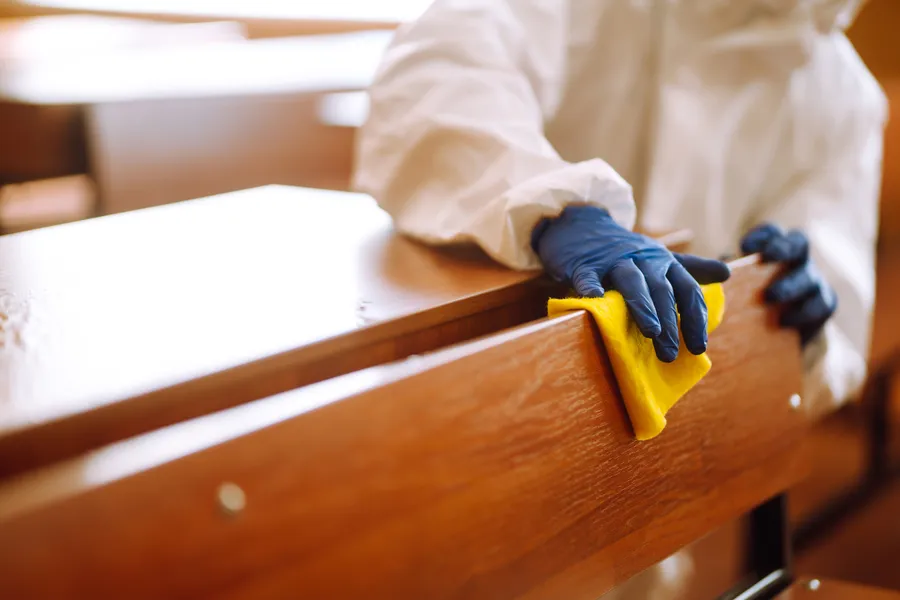
The Importance of Regular Sanitation
Regular sanitation is key to preventing the spread of germs in schools. Commonly touched surfaces like desks, doorknobs, and light switches are breeding grounds for bacteria. School cleaning services focus on disinfecting these high-touch areas regularly. This minimizes the chance of germ transmission and helps maintain a healthier school environment.
Specialized Cleaning Products Make a Difference
The use of specialized cleaning products is another critical aspect of maintaining hygiene in classrooms. These products are designed to kill bacteria and viruses effectively. Unlike regular cleaners, they are formulated to tackle pathogens that cause illnesses. For instance, many janitorial teams utilize EPA-approved disinfectants known for their ability to eliminate germs quickly.
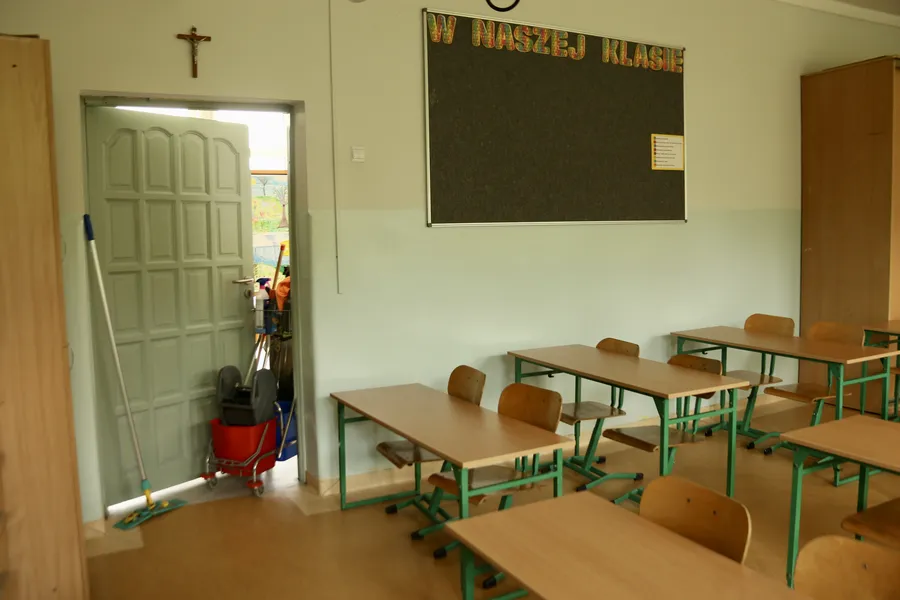
Trained Staff Ensure Thorough Cleaning
Janitorial teams consist of trained professionals who understand the importance of thorough cleaning. They are equipped with the knowledge and skills required to clean different types of surfaces efficiently. School cleaning services employ protocols that ensure no area is overlooked during the cleaning process.
Implementing Daily Cleaning Routines
Daily cleaning routines are essential in controlling the spread of germs in educational settings. Consistent cleaning schedules ensure that dirt and grime do not accumulate over time. This approach also allows janitors to address any immediate messes that could become health hazards if left unattended.
- Sweeping and vacuuming floors every day
- Disinfecting bathrooms and locker rooms regularly
- Emptying trash cans to prevent odor build-up
- Sanitizing cafeteria tables after each lunch period
Addressing Air Quality Through Ventilation
Good air quality is often overlooked but plays a significant role in classroom hygiene. Proper ventilation systems help circulate fresh air while removing contaminants. Janitorial services often collaborate with maintenance teams to ensure that air filters are clean and functional, contributing to a safer breathing environment for everyone in the building.
Monitoring High-Traffic Areas More Frequently
High-traffic areas such as hallways and staircases require more frequent attention to prevent germ buildup. This includes increased mopping sessions and surface disinfection throughout the day. Monitoring these zones closely helps in maintaining overall school hygiene.
- Create a detailed cleaning schedule that covers all areas of the school
- Use appropriate cleaning agents for different surfaces
- Incorporate advanced cleaning technologies when possible
- Provide continuous training for janitorial staff
Expert Tips for Maintaining Classroom Cleanliness
For optimal results, following expert tips can be beneficial. Firstly, using microfiber cloths can trap dust and bacteria more effectively than traditional materials. Secondly, rotating cleaning tasks among staff prevents burnout and promotes thoroughness. Lastly, regular inspections ensure standards are met consistently.
Your Trusted Partner in School Sanitation Solutions
I am based in Holland, MI, offering reliable solutions tailored to your needs. Whether you need routine cleaning or specialized services, Pure and True Cleaning Services LLC has got you covered. Feel free to call me at (616) 360-2979 for further assistance in keeping your school’s environment safe and clean.