
The Importance of Keeping Educational Spaces Clean
In schools, the health and safety of students and staff are priorities. Regular cleaning and disinfection play crucial roles in maintaining these standards. As schools host many individuals daily, germs spread quickly. This can lead to illnesses that affect learning and attendance. A clean environment supports good health and focuses on education. While routine cleaning reduces the presence of harmful bacteria, it also creates a welcoming atmosphere for learning.
The Impact of Germs in Schools
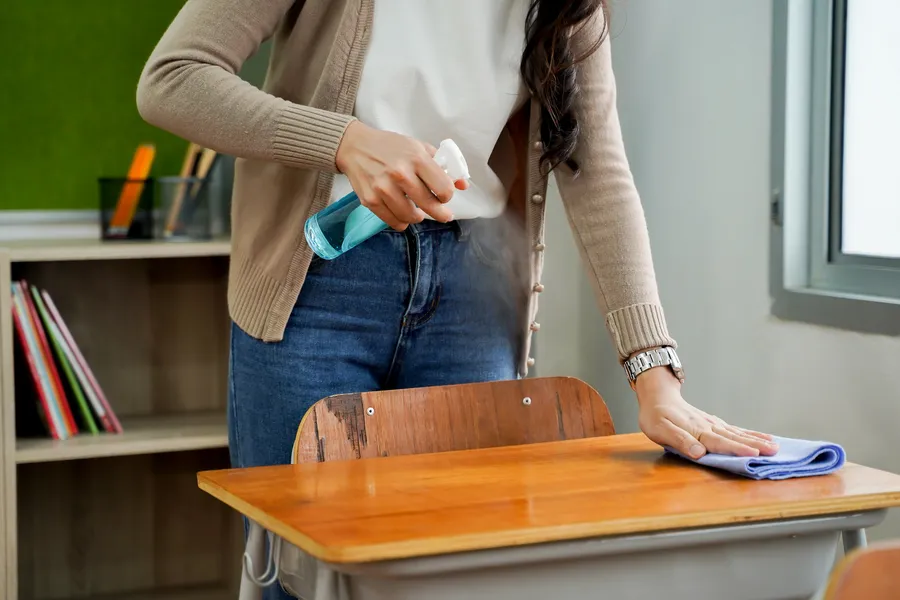
Germs spread easily in school settings due to close contact among students. Classrooms, cafeterias, and bathrooms are common places where germs thrive. These spaces need attention to prevent outbreaks of diseases. Regular cleaning minimizes these risks and helps maintain a healthy school environment. It is essential to keep high-touch areas clean to avoid spreading illnesses.
Benefits of Routine School Maintenance
Routine cleaning offers several benefits for schools. First, it improves air quality by reducing allergens and dust. Second, it decreases student absences due to sickness. Third, it extends the life of school facilities by preventing wear and damage caused by neglect. By investing in regular maintenance, schools save money in the long run while ensuring a safe environment.
How Professional Services Enhance School Cleanliness
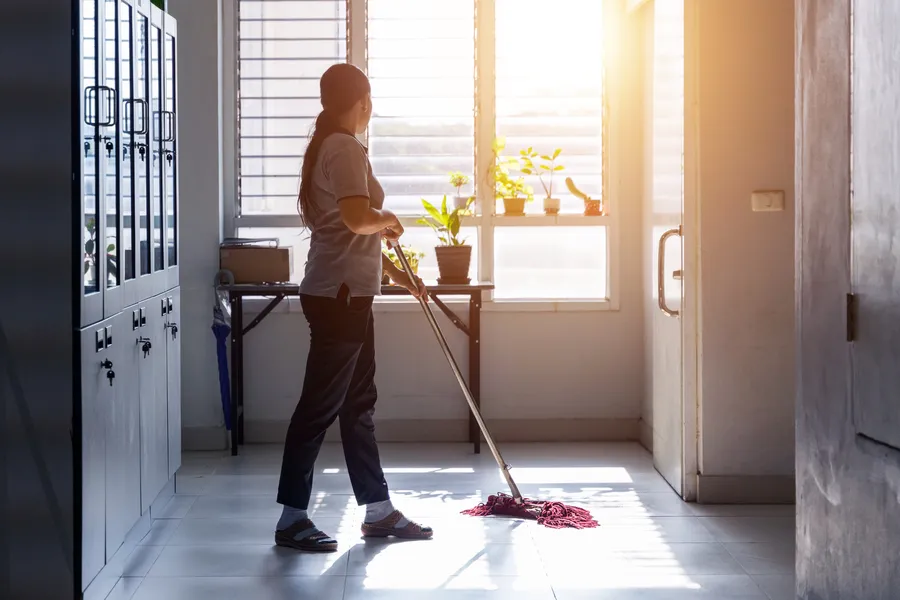
Using professional services ensures thorough and effective cleaning practices. Professionals have access to tools and products that guarantee deep cleaning. They help schools maintain hygiene standards consistently. Implementing school cleaning services adds an extra layer of protection against germs, which is crucial for student and staff wellness.
Common Challenges in Maintaining Clean Schools
Maintaining cleanliness in schools comes with its challenges. Budget constraints often limit the resources available for proper cleaning. Additionally, large school sizes make consistent cleaning harder to achieve. Moreover, high foot traffic increases the accumulation of dirt and germs. Overcoming these challenges requires strategic planning and dedication to cleanliness goals.
- Budget limitations
- Large space coverage
- High foot traffic areas
Best Practices for School Hygiene
Schools should adopt best practices to ensure cleanliness. Encourage frequent handwashing among students and staff. Use disinfectants regularly on high-touch surfaces like doorknobs and desks. Schedule routine inspections to assess cleaning effectiveness. Educating the school community on hygiene practices fosters a culture of health awareness.
- Encourage handwashing
- Disinfect high-touch surfaces
- Schedule regular inspections
- Promote hygiene education
Cost Considerations for School Cleaning Programs
Investing in cleaning programs might seem costly but offers significant benefits over time. Improved health outcomes reduce absenteeism, enhancing academic performance. Efficient cleaning strategies prolong the lifespan of school infrastructure. Considering these factors highlights the value of spending on quality cleaning services. The return on investment makes it worthwhile for any educational institution.
A Comprehensive Approach to School Health
A clean school contributes to a thriving learning environment. To achieve this, prioritize regular cleaning and disinfection routines. Call (616) 360-2979 today to explore how Pure and True Cleaning Services LLC can assist your institution in achieving top-notch hygiene standards. Located in Holland, MI, I specialize in implementing effective cleaning strategies tailored for schools.